


Escalating Middle East Conflict & Strait of Hormuz Blockade push up Food Prices – Raising Concerns for British Asian Households
London, UK — Sunil Chandarana, a leading expert on world and Asian food distribution across the UK warns that British Asian households are facing increasing financial pressure and the risk of food insecurity as the escalating conflict between the United States and Iran disrupts one of the world’s most critical trade routes — the Strait of Hormuz — driving up global shipping, fuel and food costs.
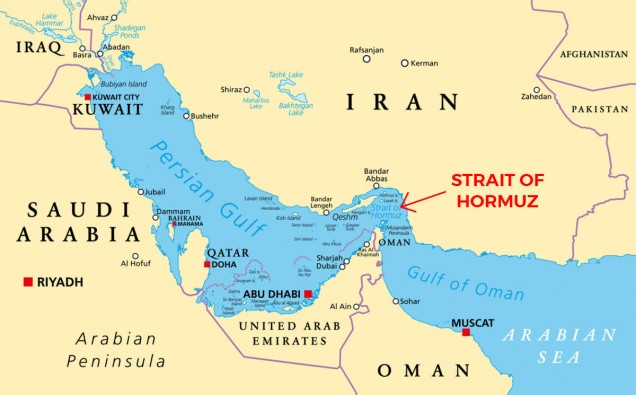
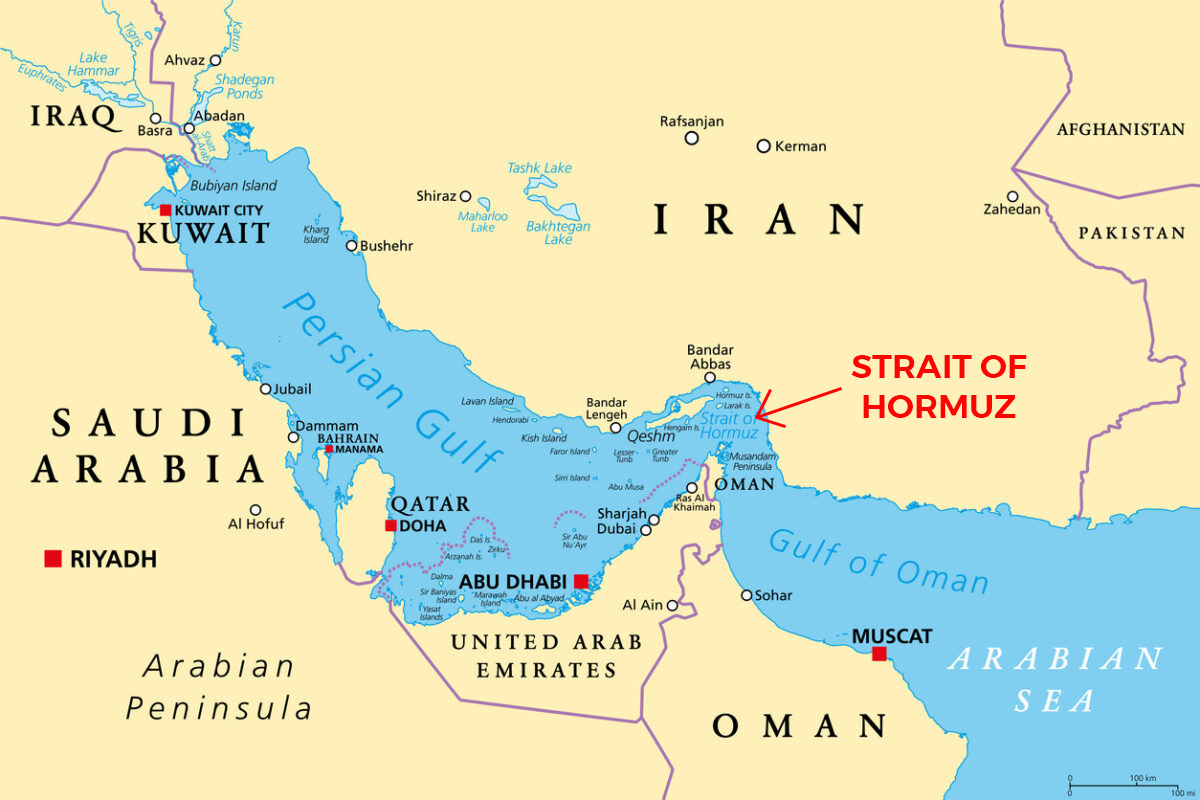
Recent military escalation in the region has effectively resulted in a sustained blockade and heightened instability in the Strait of Hormuz, a key maritime route responsible for a significant proportion of global oil transit. The situation has forced major shipping operators to suspend passage through the strait or reroute vessels around the Cape of Good Hope — adding weeks to journey times and significantly increasing costs.
Although the UK imports relatively little food directly from the Gulf, it remains highly exposed to knock-on effects, including rising fuel prices, increased cargo insurance premiums and constrained global shipping capacity.
Industry analysts warn that UK food inflation — already elevated — could rise further in the coming months as retailers pass on increased costs. The cost of transporting goods has surged due to higher fuel prices and war-risk insurance premiums, with some estimates suggesting shipping costs on key routes have doubled or more since the onset of the crisis.
Impact on British Asian Households
British Asian communities are likely to be disproportionately affected due to their reliance on imported staple goods such as basmati rice, lentils (dals), spices, flours and cooking oils — many of which depend on complex international supply chains now under strain.
Households may face:
Significant price increases on essential cultural food staples, including rice, pulses, spices and edible oils
Reduced availability of certain imported goods due to delays and disrupted supply routes
Heightened cost of living pressures, forcing families to allocate more of their household budgets to food
Dietary adjustments, with some households potentially substituting traditional ingredients for lower-cost or more readily available alternatives
Cultural impacts, as the affordability of traditional meals and ingredients comes under strain, potentially altering long-established cooking and eating habits
A Shift in Food Habits?
If current conditions persist, many families may be forced to reconsider their food choices. Traditional diets — often centred around specific imported staples — could become increasingly difficult to maintain. There is growing concern that some households may turn to cheaper, more processed foods, with potential long-term implications for both health and cultural identity.
Multi-generational households and lower-income families are particularly vulnerable, as they often have less flexibility to absorb sustained price increases.
When Will Consumers Feel the Impact?
The effects are already beginning to filter through supply chains. Wholesale prices for key goods are rising, and retailers are expected to adjust prices more quickly than in previous disruptions due to the scale and immediacy of cost increases.
If the blockade and conflict continue over the coming weeks and months, consumers are likely to see more noticeable price rises across both supermarkets and independent retailers.
Long-Term Outlook
A prolonged disruption in the Strait of Hormuz could have lasting consequences for UK households:
Sustained food price inflation, adding further strain to the ongoing cost of living crisis
Long-term changes in purchasing behaviour, with consumers prioritising affordability over tradition
Pressure on cultural food practices, particularly within diaspora communities reliant on imported goods
Community leaders, industry stakeholders and policymakers are being urged to monitor developments closely and consider targeted support measures to ensure vulnerable households are not pushed into food insecurity.